

A Letter to My Farmers (471)
Financial Inclusion: How Smallholder Farmers Can Leverage on VSLAs
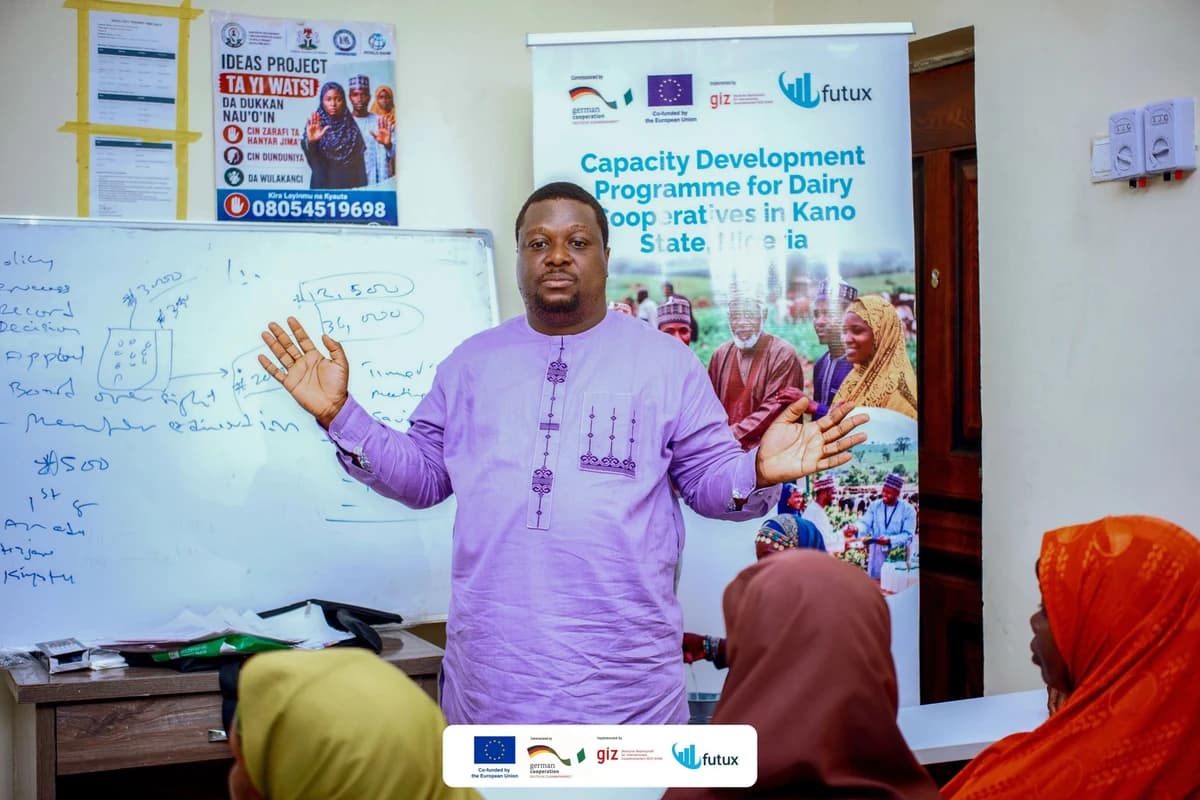
Village Savings and Loan Associations (VSLAs) help smallholder farmers access basic financial services and support in hard-to-reach areas. In many rural communities, it is difficult for farmers to access financial services from traditional banks because they are either too far away or they require documents or collateral that these farmers do not have. VSLAs solve this problem by creating groups managed directly by community members or farmers groups. Members pool their savings together and lend money to each other at low interest rates and flexible payment plans. This gives farm families a reliable way to save money, borrow when needed and protect themselves against financial shocks.
Furthermore, access to VSLAs directly improves farm production and household well-being. Farming income changes with the seasons, making farmers vulnerable to crop failures, price drops or unexpected family emergencies. Through local savings and short-term loans, farmers can buy quality seeds, fertilizers and tools before planting season starts. They do not have to rely on local moneylenders. In addition, the interest generated on internal loans stays within the group and is distributed back to members at the end of a cycle, effectively building capital within the rural economy and fostering economic self-reliance. VSLAs also build strong communities, teach financial skills and support women. Operating on principles of mutual trust, transparency and collective decision-making, VSLAs serve as informal education hubs where members learn financial management skills, basic accounting and strategic planning. Importantly, women make up most of the members in many VSLAs. Since women often face the biggest hurdles when trying to get loans, having direct access to group capital gives them financial independence. Empowerment through group governance and independent access to capital enables these female farmers to invest in complementary livelihood activities, contribute significantly to household income and strengthen food security.
In conclusion, scaling VSLA adoption among smaller rural farming groups requires targeted capacity building, strong leadership, flexible terms and digital integration. Introducing basic mobile phone tools can simplify record-keeping and build trust for members who cannot read or write. Additionally, integrating agricultural extension services and market linkages directly into existing VSLA meetings can provide groups with bundled benefits; combining financial tools with training on climate-smart farming and crop marketing. Finally, aligning loan repayment schedules with local harvest time ensures that smallholder farmers can easily repay what they owe, making financial inclusion a lasting reality for rural communities.
Yours in Service,
Babatunde